

The Energy Performance Certificate (EPC) is a certificate that shows how well your property uses energy, and what changes could make it more energy-efficient and resultantly cheaper to run. The UK government is increasingly focusing on ensuring minimum energy efficiency standards are met. In line with that, the government has now made it mandatory to have a valid EPC. Whether you want to market your property to rent or sell it, or even before selling it privately without putting it on the market, it is a mandatory legal requirement to have a valid EPC rating.
EPC requirements are not new, but most property owners are still not familiar with the process, requirements, or how to prepare for an EPC assessment. This blog answers that question, providing a step-by-step guide.
Why You Should Get EPC?
While people see this as added complexity when renting or selling their property, it is also very beneficial for everyone, as it can increase property value, reduce utility bills, and boost market appeal. Moreover, as many assume that EPC must be very costly, it is not; rather, in the long run, it saves your money with lesser bills. Secondly, it is valid for 10 years, so it is a cost-effective investment for an energy-efficient and compliant home.
How to Prepare for an EPC Assessment
1. Organise Property Information
Be clear about the details of your property to save the assessor’s time, as they need information about the type of your building, size, floor area, number of rooms, floors, etc. Keep any relevant documents and any previous EPCs ready if available. EPC assessment includes the calculation of volume and area, so these numbers are important factors and must be accurate.
2- Review Heating and Cooling Systems
Your property’s heating and cooling systems are one of the most crucial factors in the calculation of energy efficiency. Therefore, make sure you know which boilers, heaters, and systems are installed. Secondly, ensure these systems are accessible so the assessor can check the type, make, and model details. If they are not visible or accessible, keep the relevant documents ready. Lastly, have installation manuals, service records, and related paperwork, as assessors may ask for them.
3. Ensure Loft Access
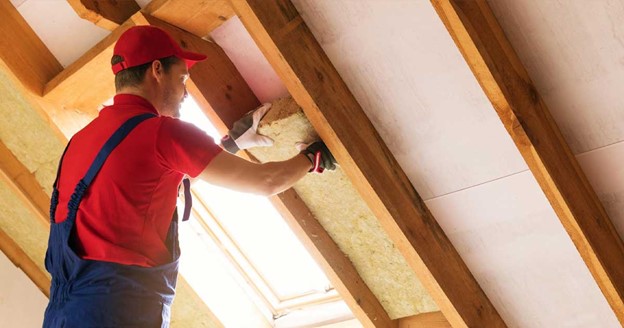
The third most important factor in an EPC assessment is loft insulation, so make sure it is also easily accessible. If you need to move furniture or arrange a ladder, ensure this is done before the day of the assessment. Assessors need clear access to measure the depth of insulation and review the relevant details, which requires a thorough inspection. Also, it is best to keep any certificates or relevant documents related to loft insulation ready for reference.
4. Clear Access to Gas & Electricity Meters
Another thing that needs your attention before your EPC assessment is your gas and electricity meter. Locate, know the type of meter and fuel, and ensure you have recent energy bills. Secondly, if you have any renewable energy sources installed, like heat pumps and solar panels, that can reflect greatly in your EPC rating, so make sure you list those and provide details to your assessor.
5. Ensure All Rooms Are Accessible
One of the most asked questions is, ” Do EPC assessors check every room, answer is: Yes! For checking wall, floor, window, and door insulations, it is essential to check every room, so make sure every appliance and area of your property is accessible for assessment.
6. Prepare Supporting Paperwork
It is essential to keep all the documents ready before your assessment, such as proof of installations, loft conversions, insulation certificates, building control completion certificates, air pressure test certificates, and floor plans. Moreover, you should have evidence of the property’s age. This is important because if any documents are missing or any factor is inaccessible, assessors assume efficiency based on the property’s age.
7. Make Necessary Improvements
Look around, pay attention to the details, and identify areas for improvement before the assessment. Making a few upgrades, like insulation, window glazing, energy-efficient lighting, or upgrades to heating/cooling systems, can make a huge difference in your property’s EPC rating.
8. Choose Qualified and Accredited Assessors
Lastly, your assessment and rating also depends on the assessor you choose. An experienced, reputable assessor will pay close attention to detail, resulting in a more accurate EPC rating and better improvement suggestions. On the contrary, an inexperienced assessor may overlook minor details that can impact your EPC score, resulting in an inaccurate assessment and limited recommendations.
All this might seem a complicated and arduous process, but it is not when you have prepared well, have all the required details ready, and a trained assessor who knows how to handle assessments with minimal hassle.
If you have any more questions about how to prepare for an EPC assessment, how to choose the right assessor, or when to get an EPC, check our blogs (add link) or contact us.
Looking for a reliable EPC surveyor? Choose EPC Yorkshire
At EPC Yorkshire, we bring together qualified, trained, and accredited EPC assessors with years of hands-on experience across residential and commercial properties. From straightforward assessments to complex buildings with additional requirements, we ensure every detail is handled with precision.
No matter where you’re based in the UK, our team is ready to help. Get your EPC certificate today, and with an eligible rating, you’re covered for the next 10 years.
Book your slot today, and we’ll take care of the full process, from assessment through to certificate delivery